
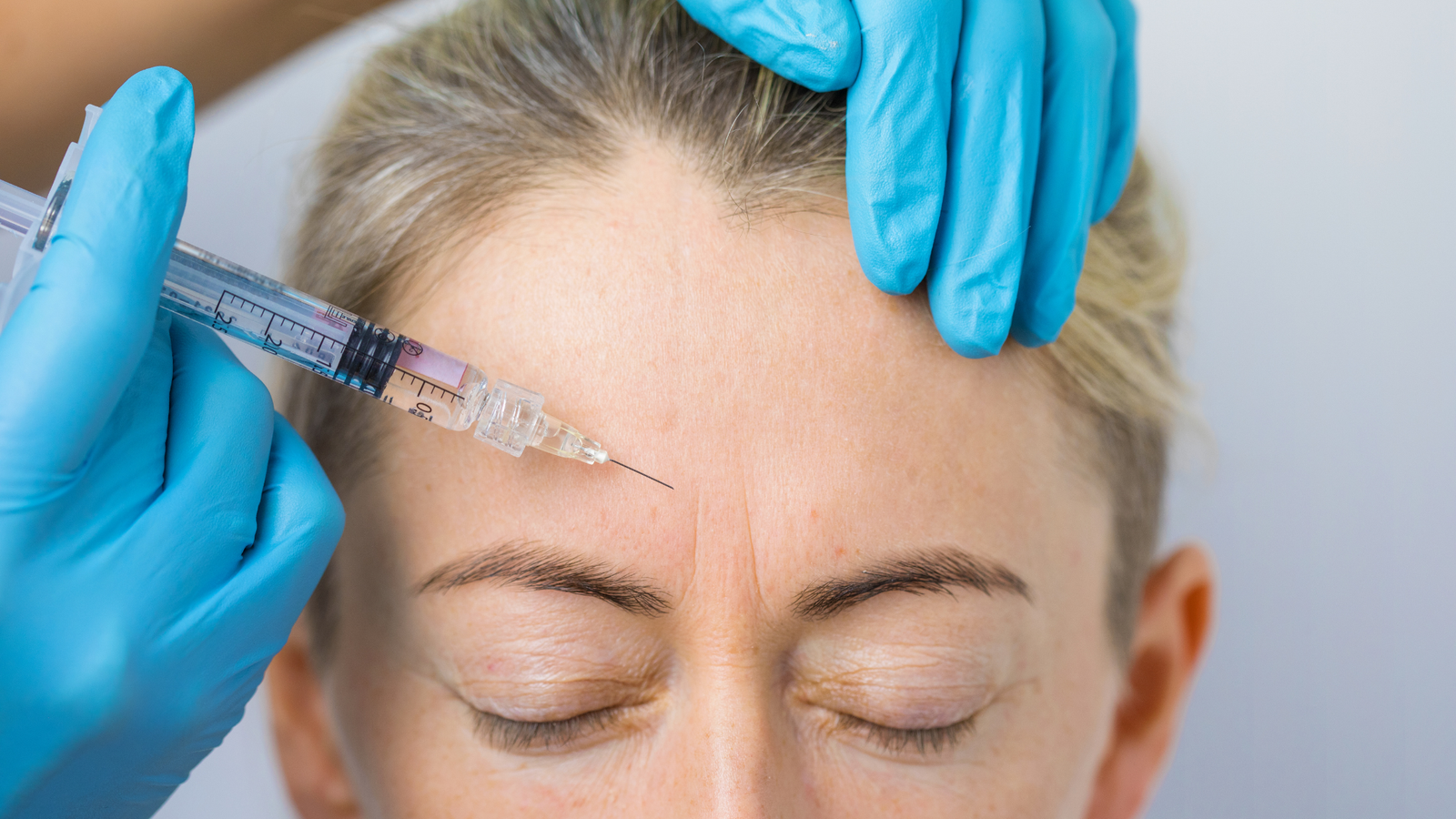
Most people considering Botox for the first time aren’t chasing dramatic change. They’re worried about the opposite: looking unnatural, frozen, or like they’ve done “too much.” Many also feel unsure which clinic to trust when searching for Botox injections near me, and whether they’ll be pressured into treatment they don’t actually need.
These concerns are valid. First-time Botox requires a different clinical approach than repeat treatments. When done incorrectly, it can undermine confidence rather than improve it.
Why First Time Botox Requires a Different Approach
First-time Botox should be approached differently from repeat treatments because your individual muscle response is still unknown. A careful, conservative strategy allows your practitioner to assess how your facial muscles react to treatment before making adjustments. This reduces the risk of imbalance, heaviness, or unnatural results and helps build a safer foundation for future treatments.
How Your First Botox Appointment Should Be Approached
1. Conservative Dosing Is Not a Compromise — It’s a Safeguard
One of the biggest risks at an initial Botox appointment is overtreatment. Facial muscles vary significantly between individuals, and responses cannot be predicted perfectly at the first session.
Starting with a conservative dose helps preserve natural movement, allows the practitioner to assess how your muscles respond before adding more, and significantly reduces the risk of brow heaviness or a “frozen” appearance.
If a clinic suggests maximum correction at your first visit without a clear review plan, this should prompt caution.
2. Muscle Balance Matters More Than Wrinkle Depth
Wrinkles do not exist in isolation, as facial muscles work in opposing groups. Treating one area without considering the surrounding muscles can easily lead to imbalance.
For example, relaxing the forehead without properly assessing the brow elevators may result in heaviness, while overly aggressive treatment of the frown lines can alter natural facial expression.
In some patients, muscle balance concerns extend beyond the upper face. Carefully planned Masseter Botox can help reduce excessive jaw muscle activity while maintaining normal function, particularly when clenching or tension is present.
3. Your Consultation Should Feel Clinical, Not Transactional
Many patients searching for a Botox clinic near me focus on convenience, but consultation quality matters far more than location. A thorough consultation should feel clinical and personalised, not rushed or sales-driven.
It should include a review of medical history, an assessment of facial movement at rest and during expression, a discussion of your goals and concerns, and a clear explanation of conservative treatment planning.
You should never feel pressured to proceed on the same day.
4. A Staged Treatment Plan Leads to More Natural Results
For beginners, Botox is often best approached in stages rather than as a one-off treatment. This usually involves an initial conservative treatment, followed by a review appointment at around two weeks, with adjustments made only if clinically appropriate.
This staged approach reduces dissatisfaction and allows refinement based on how your face responds.
Real-world example: A patient in her early 30s attended a Manchester clinic before a professional event. She wanted her forehead lines softened without losing movement. A conservative dose was used initially, followed by a two-week review. Fine-tuning was performed only where needed, avoiding brow heaviness and preserving expression. The result was subtle, refreshed, and professional.
5. Natural Movement Should Always Be Preserved
A common misconception is that Botox inevitably causes frozen features. In reality, this usually results from excessive dosing or poor placement rather than the treatment itself.
With careful planning, you should still be able to raise your brows, show expression, and look like yourself. The aim is to soften lines while maintaining natural movement, not to erase expression altogether.
6. Botox Is Temporary — and That’s Reassuring
Many people worry about irreversible results, particularly when they are new to treatment. Botox gradually wears off over time, which means results are not permanent and adjustments can be made at future visits if needed.
A conservative approach provides an additional safety margin, which is why starting slowly is sensible when you’re having Botox for the first time.
7. Choosing the Right Clinic Matters More Than Location
When people search for Botox treatment near me, urgency and convenience often drive the decision. However, expertise and clinical judgement matter far more than proximity.
When assessing a clinic, look for medical-led consultations, clear explanations of treatment rationale, a willingness to say no if treatment isn’t appropriate, and review appointments built into the plan rather than treated as an afterthought.
Comparison: Conservative vs Aggressive First Appointment Botox
| Aspect | Conservative Approach | Aggressive Approach |
| Dosing strategy | Lower doses tailored to individual muscle response | Higher doses aimed at maximum effect |
| Facial movement | Natural expression largely preserved | Facial movement often reduced |
| Risk of heaviness | Lower risk when muscles are assessed dynamically | Higher risk due to overtreatment |
| Patient confidence | Builds gradually as results are refined | May lead to dissatisfaction if results feel unnatural |
| Long-term outcomes | More predictable and easier to adjust | Higher likelihood of needing correction |
Addressing a Common Misconception
“If I don’t do enough Botox the first time, it won’t work.”
This is incorrect. Botox does not need to be maximised at the first appointment to be effective. Starting conservatively allows greater control, fewer complications, and more natural outcomes. Additional treatment can always be added later if appropriate.
Related reading: [8 Effective Face Slimming Treatments to Try]
Who Is Suitable for Botox as a First-Timer?
This Botox treatment may be suitable if:
- Lines are visible with expression
- You want subtle softening rather than dramatic change
- You prefer gradual, controlled results
It may not be suitable if expectations are unrealistic or if complete elimination of movement is the goal.
What to Do Next
If you’re considering Botox for the first time, the most important next step is a proper consultation, not a rushed appointment.
At our Manchester clinic, consultations are designed to:
- Assess facial anatomy and muscle movement
- Discuss conservative treatment planning
- Create a staged approach where appropriate
Book a Botox consultation in Manchester to discuss a personalised, conservative treatment plan.
Final Thought
Your first Botox appointment should never be about doing more. It should be about doing what is appropriate for your face, your anatomy, and your goals. A conservative, personalised approach protects natural expression and builds confidence.
If you are searching for Botox injections near you, prioritise clinical judgement over convenience. The right approach at the first appointment sets the foundation for every treatment that follows.
Leave a Comment
Your email address will not be published. Required fields are marked *