Acne is one of the most common skin conditions worldwide, affecting millions of people at some point in their lives. While many cases of acne resolve with standard skincare treatments, severe or persistent acne may require medical intervention such as isotretinoin (commonly known by the brand name Roaccutane).
However, even after acne is successfully treated, many individuals are left with acne scars that affect the skin’s texture and appearance. This leads to a common question: If Roaccutane treats acne, will it also remove acne scars?
Understanding the difference between treating active acne and treating the scars it leaves behind is essential for choosing the right approach for your skin.
This guide explains how isotretinoin works, how acne scars form, and which professional treatments can help restore smoother skin.
Understanding Acne and Acne Scarring
Acne develops when hair follicles become blocked with oil (sebum), dead skin cells, and bacteria. This blockage can trigger inflammation, leading to the familiar symptoms of acne such as pimples, cysts, and nodules.
While many breakouts heal without leaving marks, deeper inflammation can damage the skin’s structure, resulting in permanent scars.
What Causes Acne Breakouts?
Several factors contribute to acne development. The most common causes include:
- Excess oil production by the sebaceous glands
- Dead skin cells blocking pores
- Growth of acne-causing bacteria (Cutibacterium acnes)
- Hormonal fluctuations
- Inflammation within the skin
These factors combine to create blocked follicles and inflamed lesions that appear as whiteheads, blackheads, papules, pustules, or cysts.
Severe acne, particularly nodular or cystic acne, penetrates deeper layers of the skin and increases the likelihood of permanent scarring.
How Acne Leads to Permanent Scarring
When acne causes intense inflammation, it can damage the deeper layers of the skin known as the dermis.
During the healing process, the body attempts to repair this damage by producing collagen. If the body produces too little or too much collagen, the skin may heal unevenly, creating visible scars.
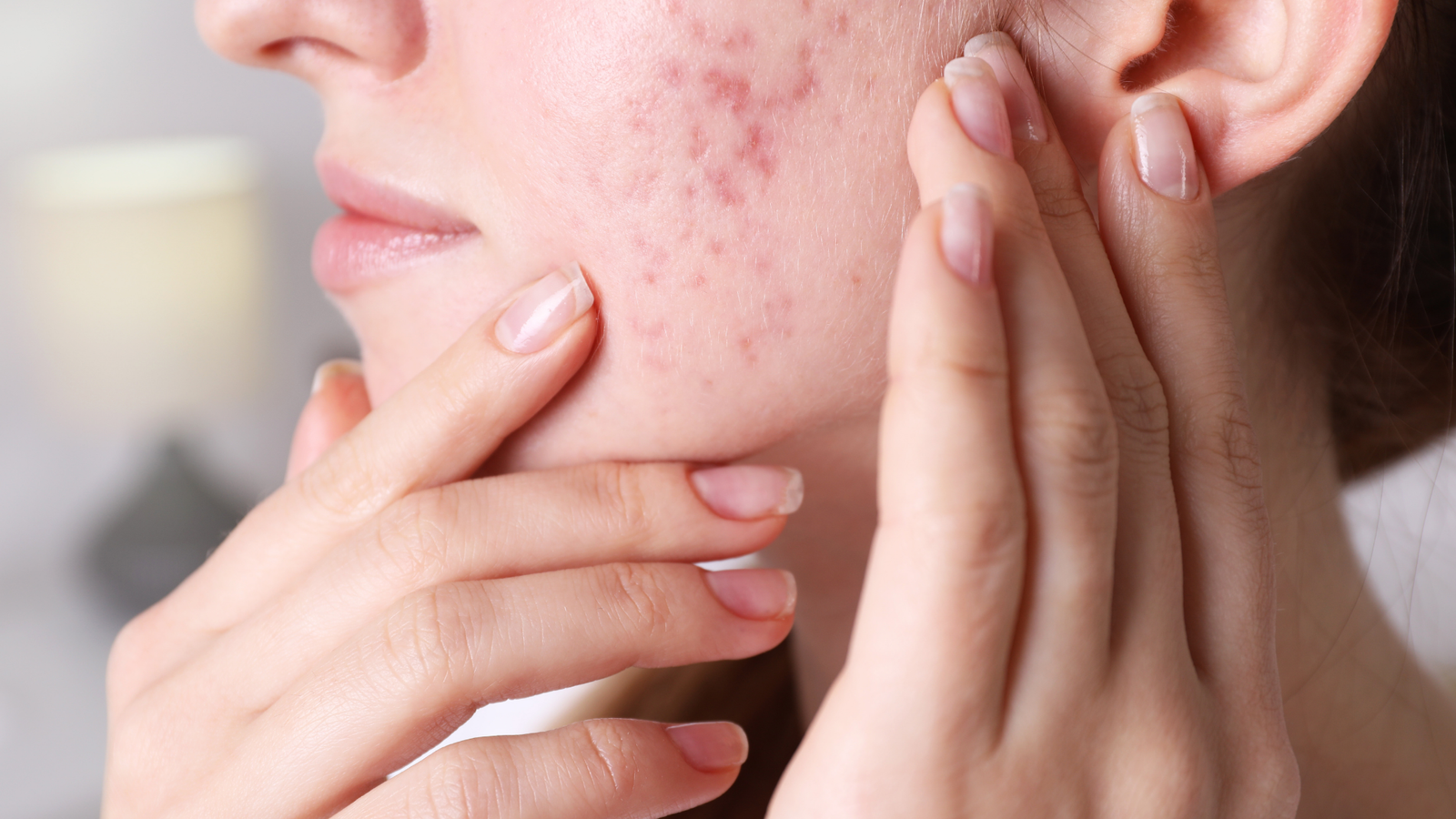
Acne scars typically appear as:
- Indented areas of skin
- Uneven skin texture
- Small pits or depressions
- Discolouration or lingering marks
Picking or squeezing spots can further increase the risk of scarring.
The Difference Between Active Acne and Acne Scars
It is important to distinguish between active acne and acne scars, as they require completely different treatment approaches.
Active acne refers to ongoing breakouts caused by clogged pores, oil production, and inflammation.
Acne scars, on the other hand, are structural changes in the skin left behind after acne has healed.
Medical treatments like isotretinoin aim to control active acne, while aesthetic treatments focus on repairing and improving the skin after acne has cleared.
What Is Isotretinoin (Roaccutane)?
Isotretinoin is an oral medication derived from vitamin A and belongs to a class of drugs called retinoids.
It is typically prescribed by dermatologists for severe acne that has not responded to other treatments, including topical medications or antibiotics.
Isotretinoin is widely recognised as one of the most effective treatments available for persistent acne.
How Isotretinoin Works to Treat Severe Acne
Isotretinoin works by targeting several underlying causes of acne simultaneously.
The medication helps to:
- Significantly reduce oil production from the sebaceous glands
- Prevent pores from becoming clogged with dead skin cells
- Decrease the presence of acne-causing bacteria
- Reduce inflammation within the skin
By addressing multiple causes of acne at once, isotretinoin can dramatically reduce breakouts and help prevent new lesions from forming.
When Dermatologists Prescribe Roaccutane
Dermatologists may prescribe isotretinoin when:
- Acne is severe or cystic
- Breakouts cause scarring
- Other treatments have failed to control the condition
- Acne significantly affects a patient’s quality of life
Treatment usually lasts between 16 and 24 weeks, depending on dosage and individual response.
Most patients experience significant improvement after completing a full course of treatment.
Benefits and Potential Side Effects of Isotretinoin
The primary benefit of isotretinoin is its ability to achieve long-term acne clearance for many patients.
However, because it is a powerful medication, it can also cause side effects. The most common include:
- Dry skin and lips
- Increased skin sensitivity
- Dry eyes
- Sun sensitivity
More serious side effects are rare but require monitoring by a healthcare professional. For this reason, isotretinoin treatment must always be supervised by a qualified medical practitioner.
It is also important to note that isotretinoin treats active acne but does not remove existing acne scars.
What Are Acne Scar Treatments?
Once acne breakouts have been controlled, attention often turns to improving the skin’s texture and appearance.
Acne scar treatments focus on stimulating collagen production and encouraging skin regeneration, helping the skin repair areas where structural damage has occurred.
These treatments are typically performed in aesthetic or dermatology clinics using advanced technologies. For individuals with deeper scarring, advanced acne scar treatments in Manchester such as laser resurfacing, microneedling, and collagen-stimulating procedures can significantly improve skin texture.
Types of Acne Scars (Ice Pick, Boxcar, and Rolling Scars)
Acne scars are commonly categorised into three main types.
- Ice Pick Scars: These are narrow, deep scars that extend into the dermis, giving the appearance of small puncture marks in the skin.
- Boxcar Scars: Boxcar scars are wider depressions with well-defined edges. They often appear on the cheeks and temples.
- Rolling Scars: Rolling scars create a wave-like or uneven appearance due to fibrous bands pulling the skin downward.
Many people have a combination of these scar types, which is why personalised treatment plans are often required.
Non-Surgical Treatments Used for Acne Scars
A range of professional treatments can help improve acne scars without surgery.
Common options include:
- Laser skin resurfacing
- Microneedling treatments
- Chemical peels
- Subcision
- Dermal fillers in certain cases
These treatments work by encouraging the skin to produce new collagen and replace damaged tissue.
How Skin Regeneration Treatments Improve Scarring
Skin regeneration treatments stimulate the body’s natural healing processes.
By triggering collagen production, these treatments help to:
- Smooth uneven skin texture
- Reduce the depth of scars
- Improve overall skin tone
- Restore a more even complexion
Results typically develop gradually as new collagen forms over several weeks or months.
Key Differences Between Roaccutane and Acne Scar Treatments
Although both treatments relate to acne, their purposes are very different.
Understanding this difference is crucial when deciding which option is appropriate for your skin.
Treating Active Acne vs Treating Skin Damage
Isotretinoin targets the causes of acne, preventing new breakouts from forming.
Acne scar treatments address the damage left behind after acne has healed.
In simple terms:
- Roaccutane stops acne
- Scar treatments repair the skin
Medical Medication vs Aesthetic Procedures
Another key difference lies in the type of treatment.
Isotretinoin is a prescription medication taken orally under medical supervision.
Acne scar treatments are aesthetic procedures performed in clinic environments using specialised technology.
Treatment Goals, Results, and Timeline
The goals of these treatments also differ significantly.
Isotretinoin aims to:
- Clear persistent acne
- Prevent new breakouts
- Reduce oil production
Acne scar treatments aim to:
- Improve skin texture
- Reduce visible scarring
- Stimulate skin regeneration
While acne medication works over several months, scar treatments may require multiple sessions spaced several weeks apart for optimal results.
When Should You Consider Acne Scar Treatments?
Many people seek professional scar treatment once their acne has been successfully controlled.
This often occurs after completing a course of isotretinoin or other acne therapies.
Signs Your Acne Has Cleared but Scarring Remains
You may benefit from scar treatments if:
- Breakouts have stopped but marks remain
- Your skin texture feels uneven
- Visible pits or depressions remain on the skin
- Makeup settles into scars
These are common indicators that acne has healed but structural scarring remains.
Why Treating Scars Improves Skin Texture and Confidence
Acne scars can affect not only the appearance of the skin but also self-confidence.
Professional treatments can significantly improve:
- Skin smoothness
- Skin tone and clarity
- Overall facial appearance
Even partial improvement can make a noticeable difference in how the skin looks and feels.
The Importance of Professional Skin Assessment
Because acne scars vary in type and depth, professional evaluation is essential.
A qualified practitioner can assess:
- The type of scars present
- The depth of skin damage
- Which treatments will deliver the best results
This personalised approach helps achieve more effective outcomes.
Popular Professional Treatments for Acne Scars
Several advanced treatments are widely used to improve acne scarring.
Laser Skin Resurfacing for Acne Scars
Laser treatments use targeted light energy to remove damaged skin layers and stimulate collagen production.
This process encourages the growth of healthier skin, helping reduce the appearance of scars and improve overall skin texture.
Treatments such as CO2 laser resurfacing target damaged skin layers and stimulate collagen production, helping reduce the appearance of acne scars and improve overall skin texture.
Microneedling and Collagen Stimulation Treatments
Microneedling creates controlled micro-injuries in the skin using fine needles.
These micro-injuries trigger the body’s natural healing response, encouraging collagen production and improving the appearance of acne scars.
Over time, this can result in smoother and firmer skin.
Advanced Skin Regeneration Treatments
Modern aesthetic clinics may also offer regenerative treatments designed to accelerate skin repair.
These treatments work by enhancing the body’s natural healing processes and improving skin quality at a deeper level.
Choosing the Right Approach for Your Skin
Because acne and acne scarring involve different skin concerns, the right treatment depends on your individual situation.
Consulting a Qualified Skin Specialist
A professional consultation allows a practitioner to assess your skin and determine whether you require acne management, scar treatment, or a combination of both. Booking a professional skin consultation allows a specialist to evaluate your scars and recommend the most effective treatment plan.
This ensures that treatment is both safe and effective.
Combining Treatments for Better Results
In many cases, the best results come from combining treatments.
For example, patients who previously used isotretinoin to control acne may later undergo skin resurfacing or microneedling to address scarring.
This multi-step approach helps achieve clearer, smoother skin.
Personalised Treatment Plans for Long-Term Skin Improvement
Every patient’s skin is unique.
A personalised treatment plan considers factors such as:
- Skin type
- Scar type
- Treatment history
- Desired outcomes
Tailored plans allow practitioners to deliver the most effective results while supporting long-term skin health.
Book a Consultation
If you are struggling with acne scars after acne treatment, professional skin treatments may help improve your skin’s texture and appearance.
At Manchester Aesthetics Clinic, our experienced practitioners offer advanced skin treatments designed to support collagen production and skin regeneration.
A consultation allows us to assess your skin and recommend the most suitable options for your individual needs.
Contact our clinic today to learn more about professional treatments for acne scarring.
Leave a Comment
Your email address will not be published. Required fields are marked *